Hematopoietic cell transplantation (HCT) offers a curative therapy for many hematologic malignancies and immune disorders. However, the profound immune disruption that accompanies transplantation can result in serious complications, including graft-versus-host disease (GvHD), delayed immune reconstitution, and increased susceptibility to opportunistic and latent infections. These challenges can significantly impact long-term patient health and quality of life.
A central focus of our laboratory is understanding immune reconstitution post-HCT and how the fate decisions of reconstituting cells influence responses to re-vaccination. Many transplant recipients experience prolonged immune deficiency due to lymphocyte depletion, impaired immune development, and persistent immune dysregulation. These factors can limit protection against pathogens and reduce the effectiveness of standard vaccination strategies. In studying the cellular differentiation kinetics and trajectories—and the clinical decisions that launch them—we hope to inform the ever-evolving rational design of approaches to HCT.
To address these challenges, we study immune recovery and vaccine responsiveness in post-transplant patients by integrating clinical cohorts with high-resolution immune profiling. Our work focuses on:
1. Characterizing the recovery of T and B cell populations during immune reconstitution using single-cell approaches
2. Evaluating immune responses to vaccines, particularly against respiratory viruses such as SARS-CoV-2 and influenza
3. Identifying immune correlates of protection that inform the optimal timing and prioritization of vaccination
By combining clinical data with single-cell and multi-omic technologies, our goal is to define the principles that govern immune recovery after transplantation. These insights will help guide personalized vaccination strategies, improve protection against infection, and promote long-term immune health in transplant recipients.
CD4+ T follicular helper (Tfh) cells are central regulators of adaptive immunity, orchestrating antibody production and the formation of durable immunologic memory. Our early work helped establish a foundation for the human Tfh field by showing that efferent lymph contains GC-Tfh-like cells that retain key phenotypic and transcriptional features of lymphoid Tfh populations. These findings provided a foundation for the use of blood as a periscope into lymphoid tissues and additionally helped define a core set of transcriptional and epigenetic programs for studying human Tfh biology.
GCs are found in secondary lymphoid organs including lymph nodes, tonsil, Peyer's patches, and the spleen. Within the GC, Tfh coordinate differentiation and affinity maturation of B cells. In the Vella Lab, we use human tonsil as a model lymphoid tissue for studying interactions between Tfh and B cells in the GC. Proper Tfh activation is essential for protective immunity and effective vaccination, while dysregulated Tfh responses contribute to autoimmune and allergic diseases. Although decades of research in mouse models have provided important insights into germinal center (GC) biology, many signaling pathways governing human Tfh function are not conserved between species. As a result, fundamental aspects of human Tfh biology remain poorly understood. We therefore apply single-cell multiomics, spatial transcriptomics, spectral flow cytometry, and gene-targeting approaches to delineate mechanisms underlying human GC evolution.
Our group, in collaboration with the Oldridge Lab at CHOP, has recently identified GNG4, encoding the G-protein γ4 subunit (Gγ4), as a transcriptional marker that more accurately identifies Tfh cells positioned directly within the germinal center. This study illustrates the importance of spatial context in resolving distinct Tfh states in lymphoid tissue, and establishes GNG4 as a key feature distinguishing GC-positioned from 'GC-like' Tfh in humans. Emerging evidence suggests that Gγ4 may integrate signaling pathways involved in T cell activation and helper function, and genetic variation within the GNG4 locus is associated with autoimmune disease risk. Our current research focuses on understanding the regulation, function, and spatial organization of GNG4-expressing T cells in human immune responses.
HIV remains a major global health challenge because the virus can persist in a latent form that is resistant to immune clearance. During infection, HIV integrates its genome into human DNA, establishing a population of long-lived cells that harbor integrated—and often silent—proviruses. When silent, these proviruses are resistant to immune clearance. While controlled by antiretroviral therapy (ART), HIV persists with the ability to rapidly rebound after ART discontinuation. These long-lived, quiescent, HIV+ cells—collectively known as the latent reservoir—are the major barrier to HIV cure.
Our laboratory studies the immunobiology of HIV reservoir cells, with a particular focus on CD4+ T lymphocytes that harbor integrated provirus. We seek to understand how viral integration interacts with host cellular programs to create a durable, immune-resistant state. To address these questions, we developed SCRIPT-seq (Single-Cell detection of Retroviral Integration and cellular PhenoTyping), a high-throughput approach that captures viral and host information within the same cell. Using this platform, we precisely identify HIV-infected cells through detection of viral DNA, RNA, integration sites, and proviral intactness. By linking viral measurements with host RNA and protein phenotypes, we aim to define the cellular programs that enable HIV persistence and identify druggable pathways for HIV curative strategies.
Passive infusion of broadly neutralizing antibodies (bNAbs) has shown promise in delaying viral rebound following ART interruption. Notably, immune features such as CD8+ T cell stemness and the potency of autologous anti-HIV antibodies have been associated with individuals who temporarily maintained ART-free viral control after bNAb treatment, despite the persistence of reservoir cells. Our current work seeks to define the mechanisms that allow reservoir cells to persist under bNAb therapy and other immune-based interventions, and to identify host or viral features that distinguish reservoir cells susceptible to immune clearance.
Beyond HIV cure strategies, the ability to link viral integration with cellular phenotype provides a high-resolution framework for studying gene and cell therapy products, such as engineered CAR-T cells. We are exploring whether CAR integration sites and their epigenetic environment shape the cells’ antitumor functions and long-term clinical performance.
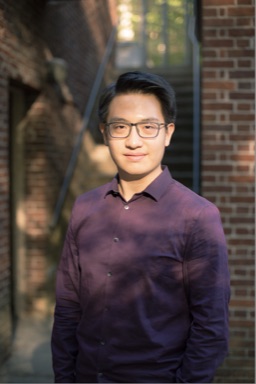 Yi Qi
Yi Qi